Stress tests at low air pressure (negative pressure)
What happens when ambient pressure drops?
Does your enclosure remain stable and airtight?
Tests conducted at low air pressure reveal how components and assemblies behave under realistic pressure changes—before failures occur in the field.
Whether control units, connectors or piping systems: Many technical components must perform reliably and continuously even with low or fluctuating ambient pressure. The slightest mechanical changes or leaks can lead to malfunctions or safety-critical situations.
Especially for applications in the aviation sector, testing enables a realistic simulation of in-flight conditions.
In addition, pressure and vacuum tests are also performed on components from other industries where air, gases or other media must be reliably conveyed within closed systems.
In our accredited test laboratory, we simulate test conditions at low atmospheric pressure in accordance with DIN EN 60068-2-13 (Test M: Low Atmospheric Pressure) as well as combined stresses with temperature according to DIN EN 60068-2-40 (Test Z/AM: Combined Cold/Low Atmospheric Pressure Test) and DIN EN 60068-2-41 (Test Z/BM: Combined Heat/Low Atmospheric Pressure Test).
By applying precise pressure control, customizable test setups, digital leakage and functional monitoring, we deliver reliable results—for development, qualification, certification, and series production approvals.
Services and Areas of Expertise
Vacuum testing is used when components and systems must perform reliably, remain dimensionally stable and leak-tight under reduced ambient pressure. These tests enable a realistic assessment of product behavior under defined pressure conditions.
Typical objectives of the tests
- Airworthiness testing
- proof of function for aircraft assemblies
- flight and transport testing
- Leak testing
- Detection of leaks, micro-leaks or gaseous diffusion under low atmospheric pressure
- Evaluation of dimensional stability
Detection of deformations, material weaknesses or structural changes resulting from pressure differentials
- Simulation of real operating conditions
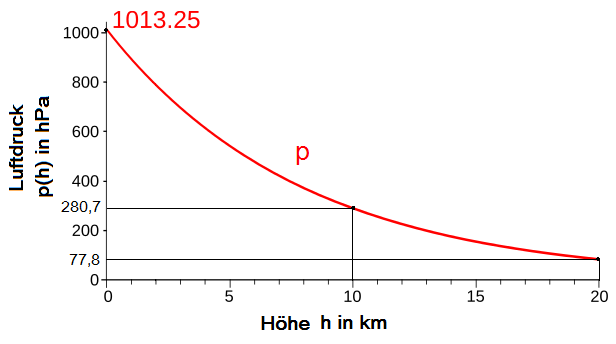
Simulation of high-altitude conditions, low-pressure environments or vacuum-like operating conditions, e.g. in chambers or process systems
- Long-term and continuous loading
Investigation of component behavior under prolonged exposure to low air pressure
Typical application areas
- Assemblies, sensors and systems for the aerospace industry
- Air transport simulation of medical products (sterile-packed), materials or packaged components
- Ducting systems, air ducts and hose systems
- Medical assemblies and filter systems
- Connectors, seals and sealing elements
- Automotive components, e.g. brake vacuum or supply systems
Testing Methods and Technologies
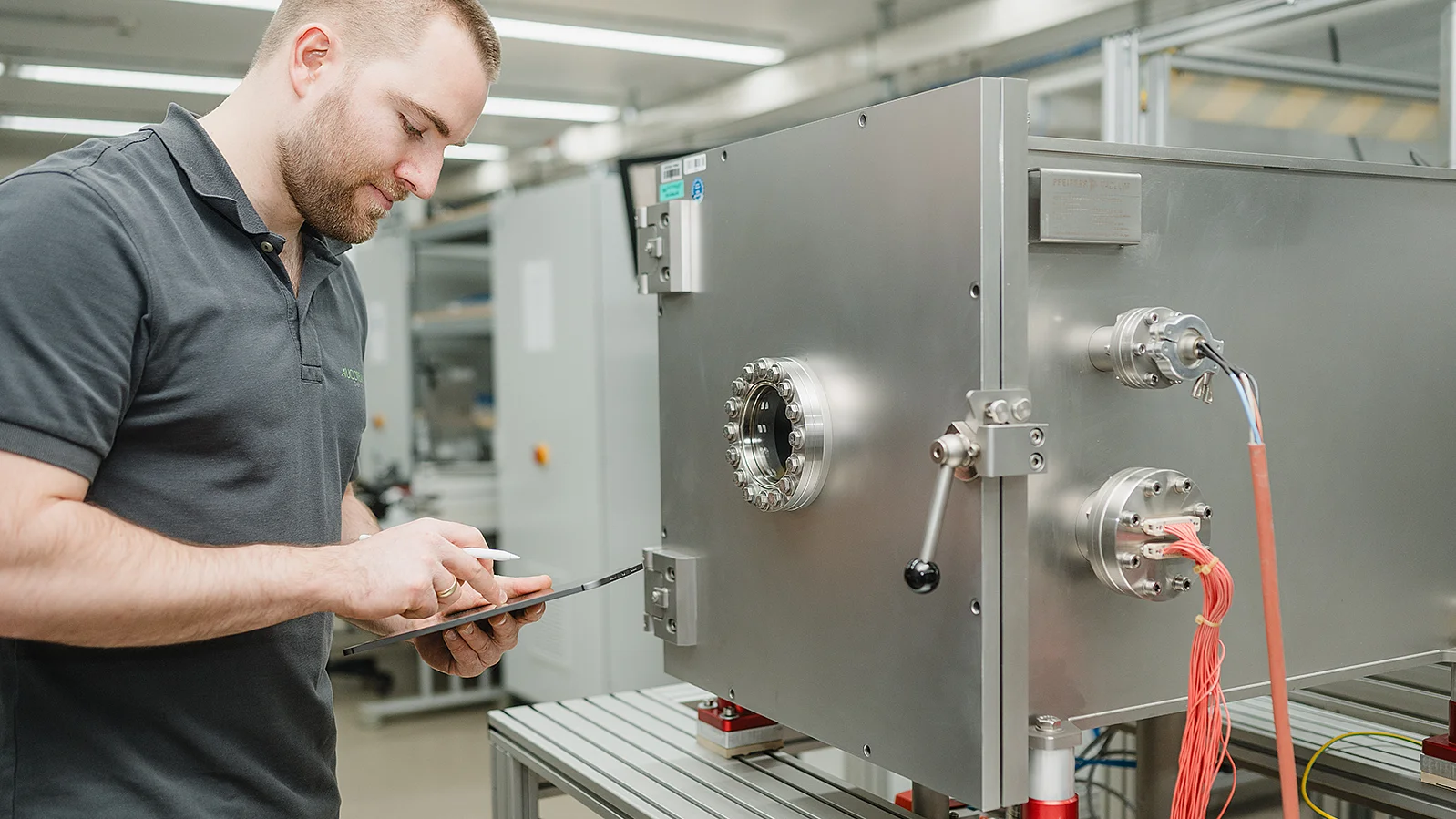
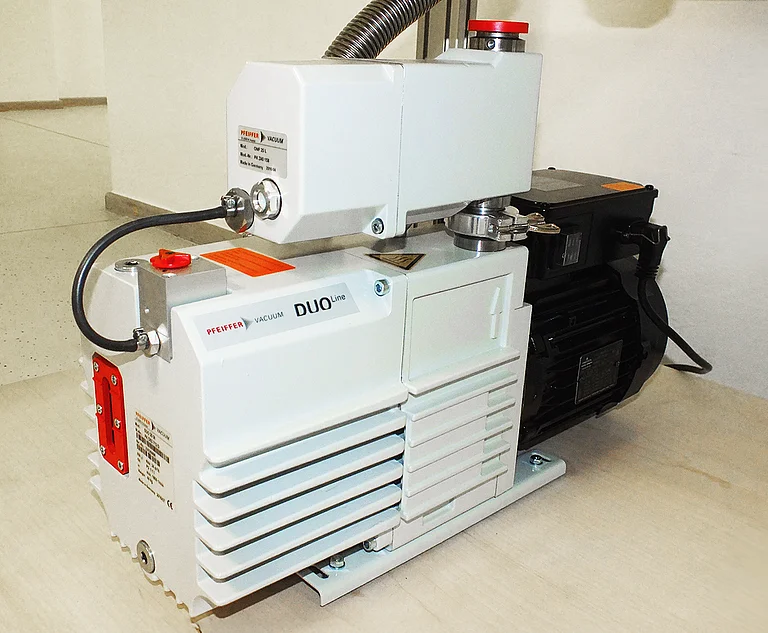
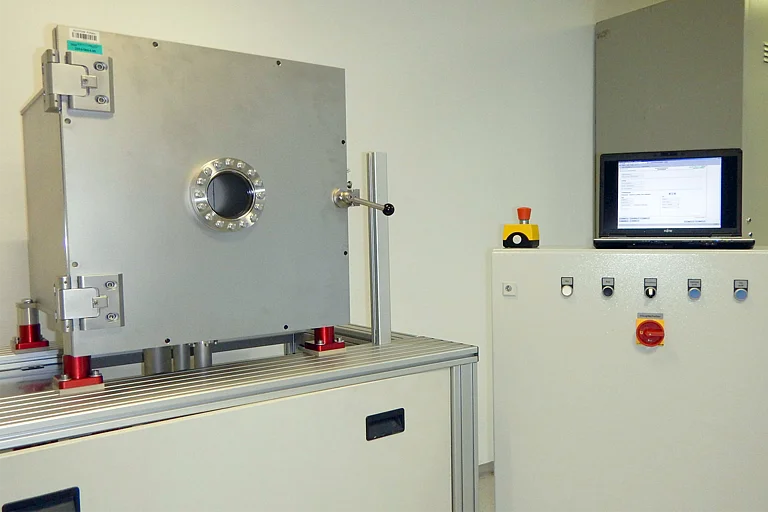
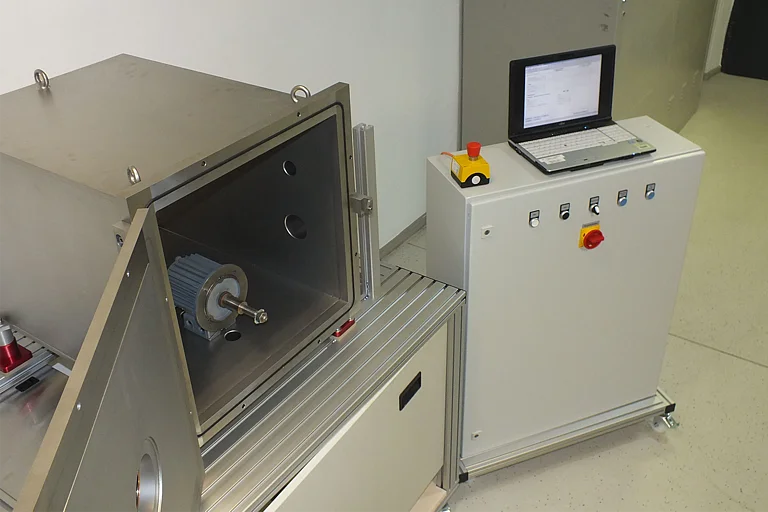
Low-pressure tests are conducted in high-vacuum chambers equipped with high-performance vacuum pumps.
During the test, it is possible to:
- visually monitor the test specimens,
- establish electrical contact with them and
- test their perfomance
The testing technology enables reproducible test procedures as well as seamless, digital recording of all relevant measurement data throughout the entire test period.
Key Features of Our Testing Technology
- Test chamber
internal dimensions 500 × 500 × 700 mm – suitable for individual components and compact assemblies - Pressure control
Electronic pressure control with freely programmable pressure and time profiles in accordance with DIN EN 60068-2-13 as well as the combined tests per DIN EN 60068-2-40 and -41 - Sensors
High-resolution pressure transmitters, differential pressure sensors and integrated leakage monitoring for precise monitoring of test conditions - Test duration
Short-term tests lasting a few seconds up to long-term tests lasting several days
Testing Capabilities
- Leak tests at low air pressure, optionally with temperature superposition
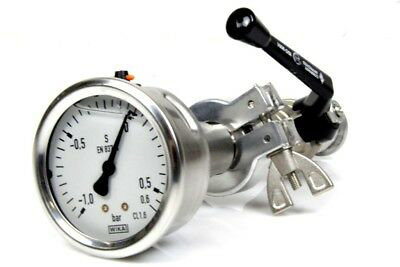
- Leak rate measurements using the pressure drop method
- Analysis of deformation under pressure differential (visual assessment)
- Functional tests under simulated altitude conditions to evaluate operational capability
Standards and Quality Assurance
The tests are conducted in accordance with international norms and standards.
In doing so, we adhere to the customer’s project-specific requirements or specifications.
Standards applied:
- DIN EN 60068-2-13 (M) – Low air pressure
- DIN EN 60068-2-40 (Z/AM) – Combined test: Cold/Low air pressure
- DIN EN 60068-2-41 (Z/BM) – Combined test: Dry heat/Low air pressure
- RTCA DO-160 – Altitude, Decompression and Overpressure Tests
- MIL-STD-810H – Low Pressure
- DIN EN IEC 60601-1-11 – Medical electrical equipment
- Customer-specific standards and test specifications – including those from the automotive, medical technology and railway sectors
All tests are conducted within the scope of our DAkkS accreditation according to DIN EN ISO/IEC 17025. This ensures that tests are performed independently, in compliance with standards and in a reproducible manner.
Results are delivered:
- in digital form
- with digital test reports including timestamps, pressure curves and if applicable, leak rates
- with graphical evaluations, e.g. air pressure-time diagrams
- with comprehensive photographic documentation in cases of visible deformations or leaks
- including comparison of results with specified limit and target values
As an accredited testing laboratory (DIN EN ISO/IEC 17025), we provide you with globally recognized test reports.
- In digital form
- With comprehensive photographic documentation
Recognized by official authorities
Industries and Fields of Application
Automotive
Brake vacuum systems, control units, housings and components with pressure-dependent functions
Electrical Engineering & Industrial Electronics
Enclosed modules, electronic assemblies and systems for industrial applications
Railway technology
Outdoor facilities, tunnel engineering, signal and control enclosures, cabling systems
Aerospace
- Assemblies, sensors and systems in aircraft
- Air transport simulation of sterile-packed medical components, materials or packaged assemblies
Medical technology
Filter systems, diagnostic and therapeutic units with requirements for leak-tightness and functionality under varying environmental conditions (e.g. in accordance with DIN EN 60601-1-11 for use in the home environment)
These tests can be flexibly combined with other environmental tests, such as climatic tests, leak and tightness tests, or IP rating tests, to simulate realistic multiple stress conditions.

Customer benefits when working with AUCOTEAM
- Tests at low air pressure with variable pressure profiles
- Leak and functional tests under realistic conditions: Evaluation of leakage, deformation behavior and functionality during and after pressure loading
- Test chambers: suitable for individual components as well as compact assemblies
- Digital recording and documentation: comprehensive recording of pressure curves, dwell times and, if applicable, leak rates with traceable evaluation
- Combined tests: expandable to include temperature, climate or endurance tests to simulate real-world multiple stresses
- In-house test rig development: flexible test setups for series testing as well as for individual special or development tasks
- Accredited testing laboratory: Conducting tests under the German accreditation body (DAkkS) in accordance with DIN EN ISO/IEC 17025
- Consulting and testing from a single source: technical support from the concept phase through test planning to the test report

Request a vacuum test now!
Would you like to reliably test the leak-tightness of your components or realistically simulate their behavior under negative pressure?
Whether it’s individual testing, endurance testing or production approval—we’ll develop the right testing concept for you.